Watch Selection
“How to Select the Best Watch: Complete Watch Buying Guide”
Watch Category
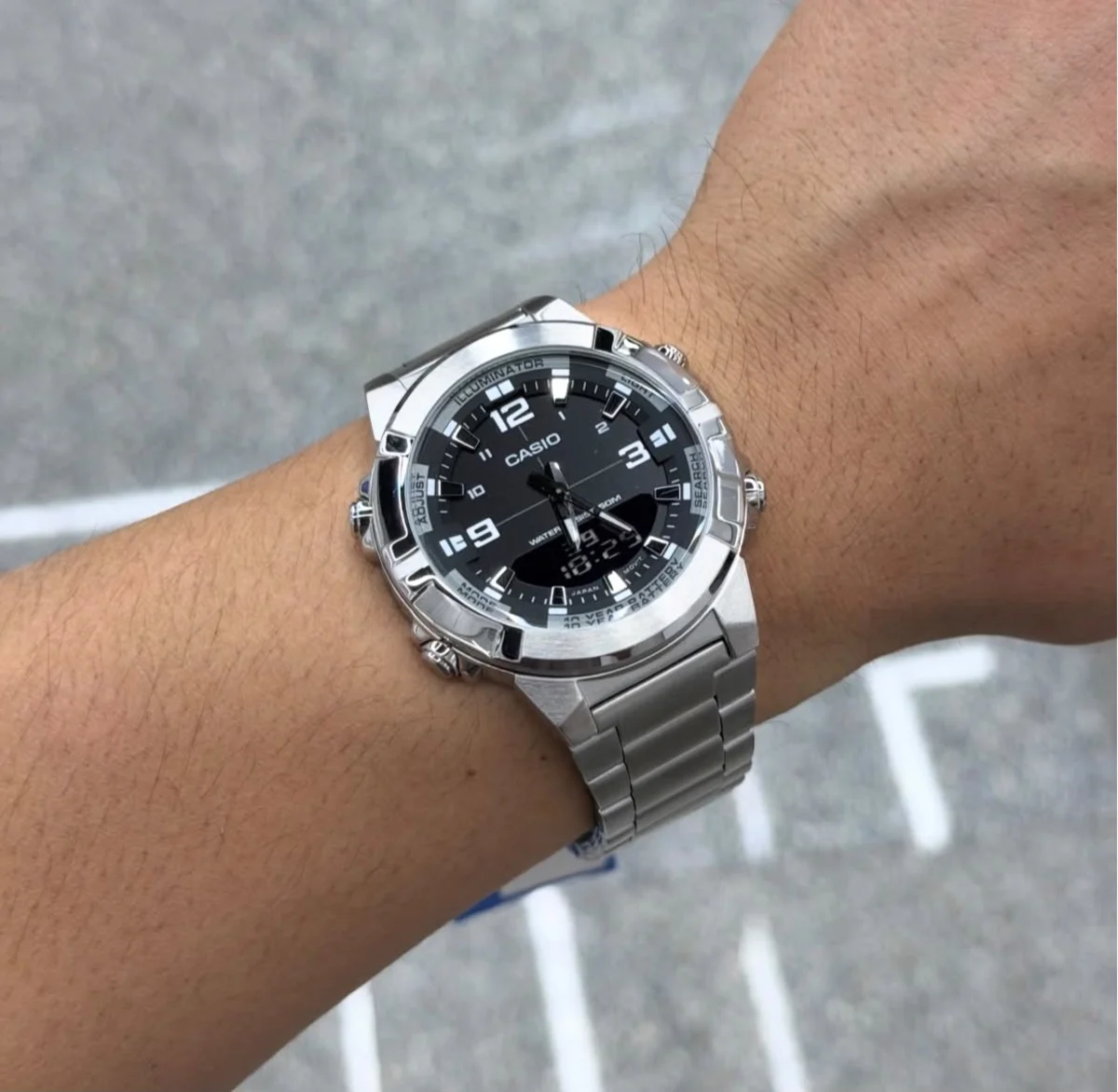
Choosing the best watch can feel overwhelming because there are many styles, brands, features, materials, and price ranges available. A watch is more than just a tool for checking time. It can reflect your personality, complement your outfit, support your daily activities, and even become a long-term investment.
Whether you are buying your first watch, upgrading your collection, or choosing a gift, understanding the most important factors can help you make the right decision. This guide explains how to select the best watch based on lifestyle, budget, design, movement, materials, size, and functionality.
Consider How You Will Use the Watch
The first step in choosing the best watch is deciding where and how you plan to wear it. Different watches are designed for different purposes.
For everyday use, a simple and versatile watch is usually the best option. Look for a durable design that works with both casual and smart clothing. If you need a watch for formal occasions, consider a slim dress watch with a leather or metal strap and a clean dial.
People who enjoy sports, hiking, swimming, or outdoor activities may need a sports or adventure watch. These watches often include features such as water resistance, shock resistance, GPS, timers, heart-rate monitoring, or fitness tracking.
Business professionals may prefer elegant watches with stainless steel cases, leather straps, or minimalist designs. Meanwhile, smartwatches are ideal for people who want notifications, health tracking, mobile payments, and other digital features.
Understanding your lifestyle will immediately narrow down your choices.
Set a Realistic Budget
Your budget is another important factor when selecting a watch. Watches are available at almost every price point, from affordable everyday models to luxury timepieces costing thousands of pounds or dollars.
Before shopping, decide how much you are comfortable spending. A higher price does not always mean the watch is better for your needs.
Affordable watches can provide excellent reliability and attractive designs. Mid-range watches often offer better materials, more advanced movements, and improved craftsmanship. Luxury watches may include premium metals, handmade movements, heritage branding, and stronger resale value.
Instead of focusing only on the brand name, compare the quality, materials, features, warranty, and overall value.
Choose the Right Watch Movement
The movement is the mechanism that powers the watch. Understanding the main types of watch movements can help you select the best option.
Quartz watches are powered by batteries and are known for their accuracy and affordability. They generally require very little maintenance, making them ideal for people who want a reliable everyday watch.
Automatic watches are powered by the movement of the wearer's wrist. They are popular among watch enthusiasts because of their mechanical engineering and craftsmanship. However, they may require occasional servicing and can be more expensive.
Manual mechanical watches need to be wound by hand. These watches appeal to collectors who appreciate traditional watchmaking.
Smartwatches use rechargeable batteries and electronic systems. They provide functions such as fitness tracking, smartphone notifications, GPS, messaging, and health monitoring.
The best movement depends on whether you prioritise convenience, craftsmanship, technology, or tradition.
Select the Correct Watch Size
Watch size plays an important role in both comfort and appearance.
The diameter of most men's watches usually ranges from about 38 mm to 46 mm, while smaller cases are often preferred for slimmer wrists or minimalist styles. However, watch sizing is increasingly based on personal preference rather than gender.
People with smaller wrists may find watches between approximately 36 mm and 40 mm more comfortable. Larger wrists may suit watches measuring 42 mm or more.
You should also consider case thickness and lug-to-lug length. A large watch may look attractive but become uncomfortable if it extends beyond the edges of your wrist.
Whenever possible, try the watch on before buying it.
Pay Attention to Watch Materials
The materials used in a watch affect its appearance, durability, weight, and price.
Stainless steel is one of the most popular materials because it is durable, stylish, and resistant to corrosion. Titanium is lighter than stainless steel and can be an excellent choice for people who prefer lightweight watches.
Leather straps provide a classic and elegant look, particularly for business and formal watches. Rubber or silicone straps are better suited to sports and outdoor activities because they are flexible and water resistant.
The watch crystal is equally important. Mineral glass offers reasonable durability at an affordable price, while sapphire crystal provides excellent scratch resistance and is commonly used in premium watches.
Check the Water Resistance
Water resistance is an important feature, even if you do not plan to swim while wearing your watch.
A watch rated at around 30 metres of water resistance is generally suitable for light splashes but should not normally be used for swimming.
A rating of 50 metres provides greater everyday protection, while watches rated at 100 metres are usually more suitable for swimming and water activities.
Diving watches often provide 200 metres or more of water resistance.
Always check the manufacturer's guidelines because water-resistance ratings do not always represent the exact depth at which the watch should be used.
Decide Which Features You Need
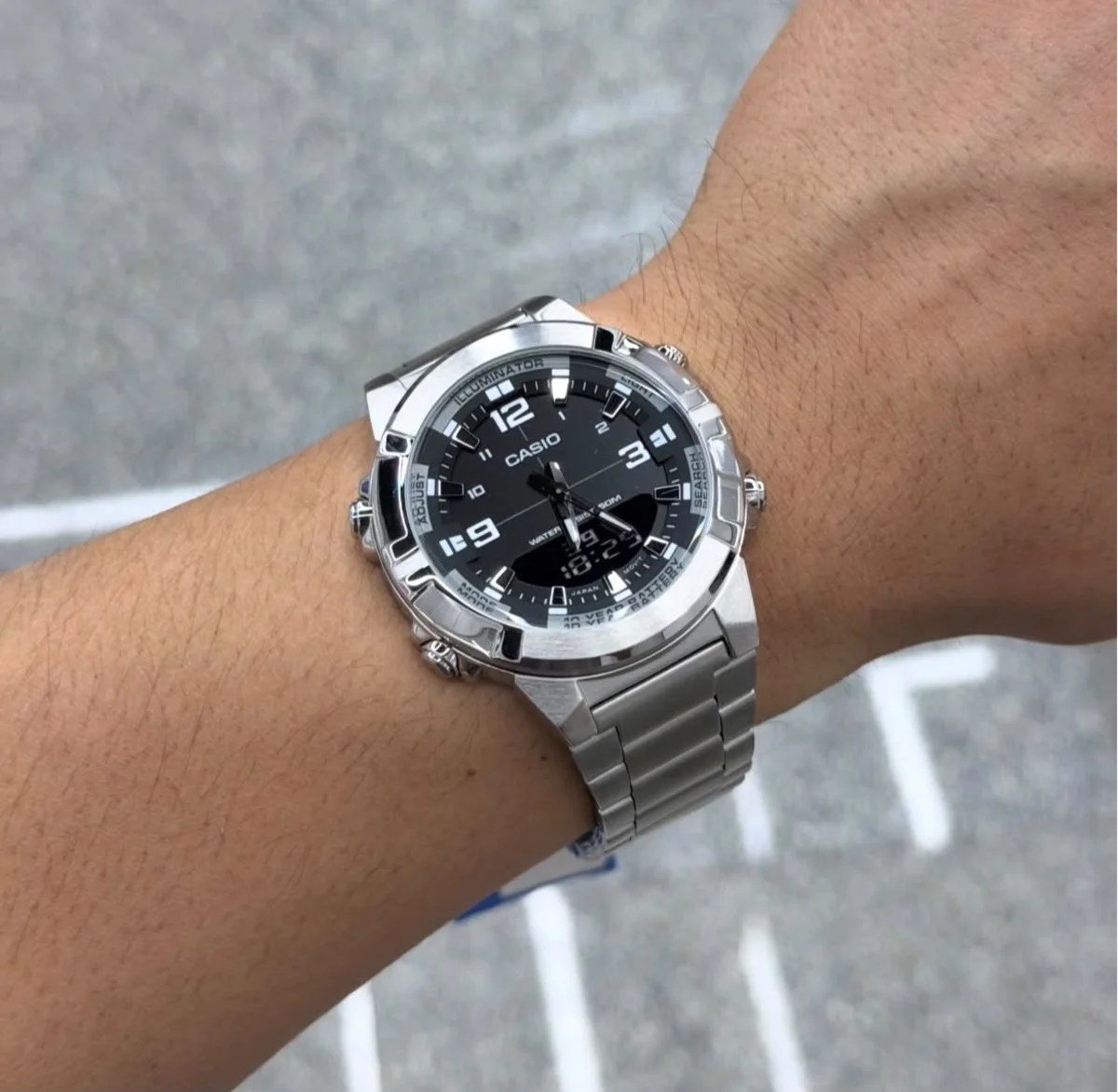
Modern watches can include many additional functions, often known as complications.
Traditional watches may include features such as a date display, stopwatch or chronograph, moon phase indicator, second time zone, alarm, or power reserve indicator.
Digital and smartwatches may include GPS navigation, step tracking, sleep monitoring, heart-rate tracking, contactless payments, mobile notifications, and exercise tracking.
Avoid choosing a watch simply because it has many features. The best watch should have functions that genuinely support your lifestyle.
Consider the Watch Style
Your watch should match your personal style and wardrobe.
Dress watches are usually simple, elegant, and understated. They work particularly well with formal or professional clothing.
Sports watches are generally larger and more durable, with strong cases and practical features.
Diver watches are known for their rotating bezels, luminous markers, and high water resistance.
Field watches usually have highly readable dials and rugged construction, making them suitable for casual or outdoor use.
Minimalist watches feature clean designs and limited complications, while luxury watches may focus on craftsmanship, prestige, and premium materials.
Choosing a versatile watch can be useful if you want one timepiece that works across several occasions.
Research the Brand and Warranty
Before purchasing a watch, research the manufacturer. Established watch brands usually provide clear information about their movements, materials, warranties, and servicing requirements.
Customer reviews can also provide useful information about durability, comfort, accuracy, and after-sales support.
You should also check the warranty period and understand what it covers. Mechanical and automatic watches may require servicing after several years, so the availability of authorised service centres can be important.
When buying expensive watches, purchase from authorised retailers or reputable sellers to reduce the risk of counterfeit products.
Think About Long-Term Value
The best watch is not necessarily the most expensive one. It is the watch that provides the best combination of design, comfort, reliability, functionality, and value for your needs.
If you plan to keep the watch for many years, consider whether its design is timeless rather than highly trend-driven. Classic colours such as silver, black, blue, brown, and white are usually easier to match with different outfits.
Some luxury watches may retain or increase their value, but most watches should be purchased primarily because you enjoy wearing them rather than as investments.
Conclusion
Learning how to select the best watch involves more than choosing an attractive design. You should consider your lifestyle, budget, preferred movement, wrist size, materials, water resistance, features, brand reputation, and long-term maintenance.
A good everyday watch should be comfortable, reliable, and suitable for the situations in which you plan to wear it. Sports enthusiasts may prioritise durability and functionality, while professionals may prefer an elegant and understated design. Watch collectors may place greater importance on mechanical movements, craftsmanship, and brand heritage.
By comparing these factors carefully, you can select a watch that not only keeps accurate time but also complements your personality and lifestyle for many years.
Frequently asked questions
1. How do I choose the best watch for me?
Choose a watch based on your lifestyle, budget, wrist size, preferred style, movement type and the features you need. For everyday use, consider comfort and durability, while formal occasions may call for a slimmer and more elegant design.
2. Which type of watch is best for everyday use?
Quartz and automatic watches are both excellent for everyday use. Quartz watches are accurate, affordable and require little maintenance, while automatic watches appeal to people who appreciate traditional craftsmanship and mechanical engineering.
3. Is an automatic watch better than a quartz watch?
Neither is universally better. Automatic watches offer mechanical craftsmanship and do not require regular battery replacements, while quartz watches are generally more accurate, affordable and easier to maintain. The best choice depends on your preferences and budget.
4. What watch size should I choose?
The right size depends largely on your wrist. Smaller wrists generally suit smaller cases, while larger wrists can comfortably accommodate larger watches. The watch should sit securely on your wrist without looking excessively large or feeling uncomfortable.
5. What should I look for when buying a quality watch?
Look at the movement, case material, glass or crystal, strap quality, water resistance, construction, warranty and reputation of the manufacturer. A good-quality watch should feel solid, operate reliably and have finishing appropriate for its price.
6. How much should I spend on a good watch?
There is no fixed amount. Good watches are available at many price points. Set a budget based on what you can comfortably afford and compare watches within that range based on quality, features, durability and warranty rather than price alone.
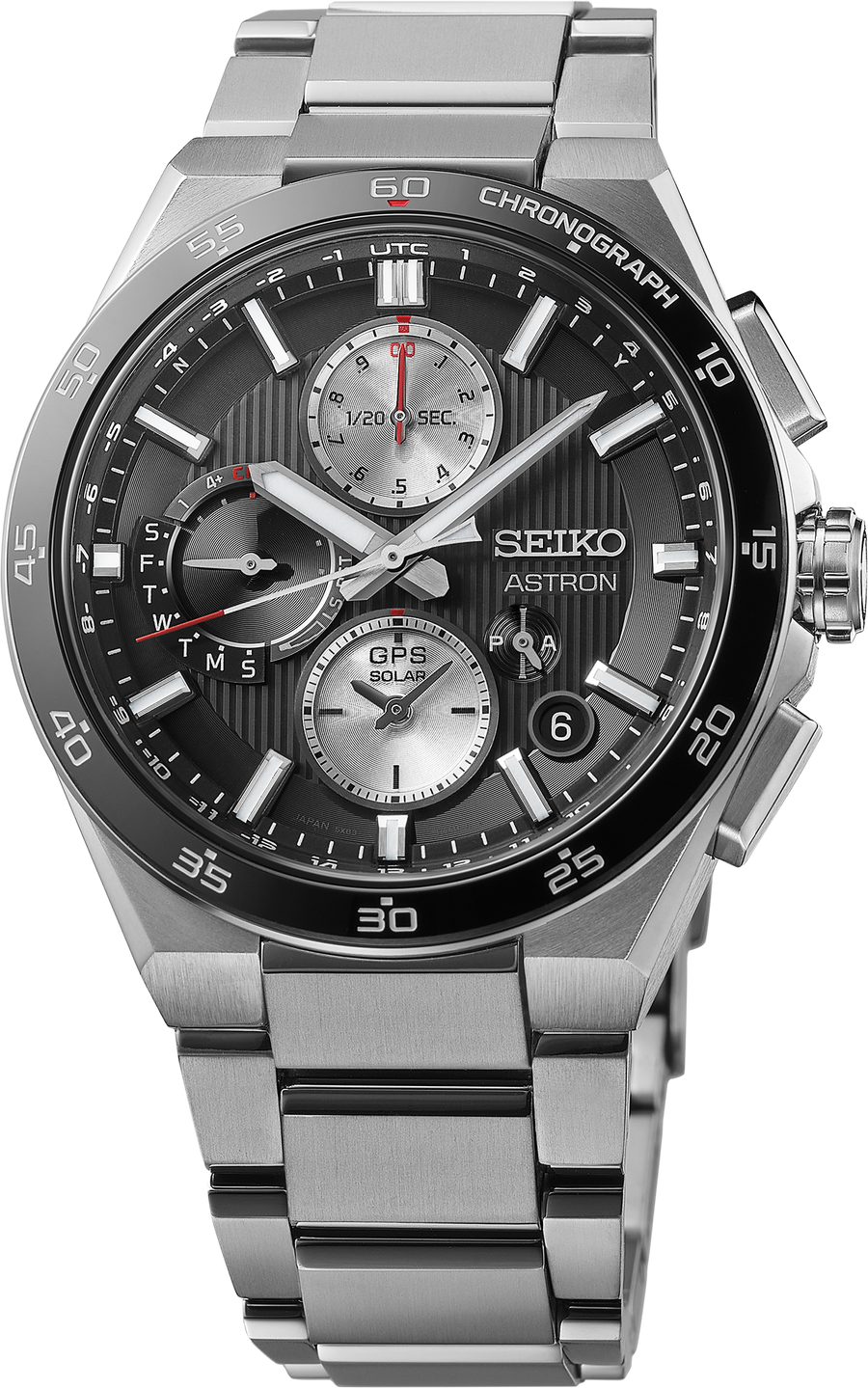 Astron SSH151